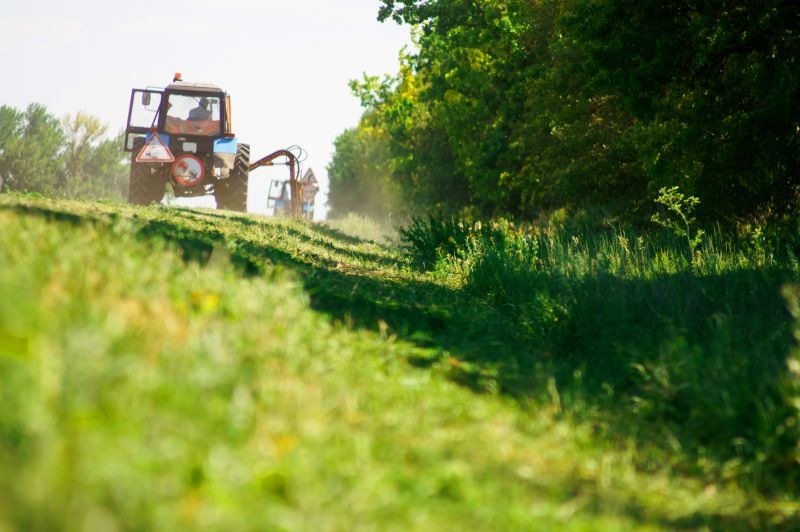
Acreage Clearing in Utah County, UT
Acreage clearing services involve removing trees, brush, and other vegetation from large parcels of land to prepare them for development, farming, or other uses. This process typically includes tree removal, stump grinding, brush clearing, and debris removal, making the land more accessible and suitable for construction, landscaping, or agricultural projects. Property owners often seek this service when starting new construction, creating open space for recreational areas, or preparing land for planting crops or grazing livestock.
Before requesting acreage clearing, property owners should consider the size and topography of the land, as well as any local regulations or permits that may be required. It is also helpful to determine what vegetation needs to be removed and whether there are any environmental considerations or protected species on the property. Having a clear understanding of the scope of work and the desired end result can help ensure the project proceeds smoothly and meets the specific needs of the landowner.
Many property owners in Utah County, UT look into Acreage Clearing for repairs, replacements, upgrades, and appearance-related improvements.
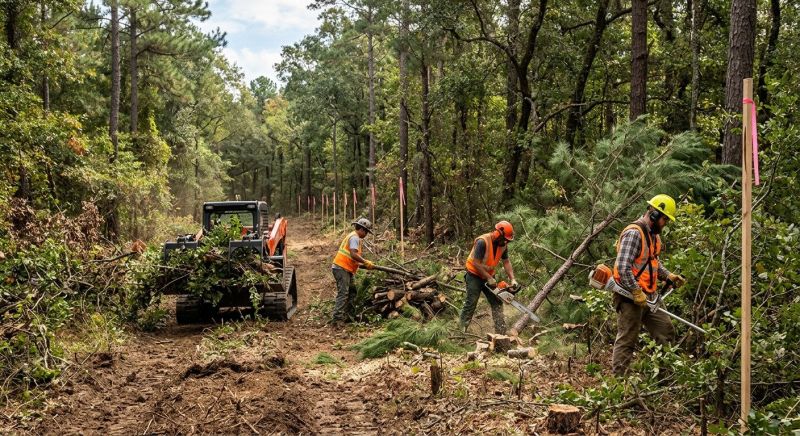
Property Preparation
Acreage clearing helps prepare land for development, farming, or recreation.
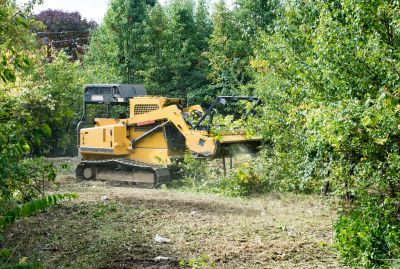
Vegetation Removal
Removing trees, brush, and unwanted growth creates open space and improves land usability.
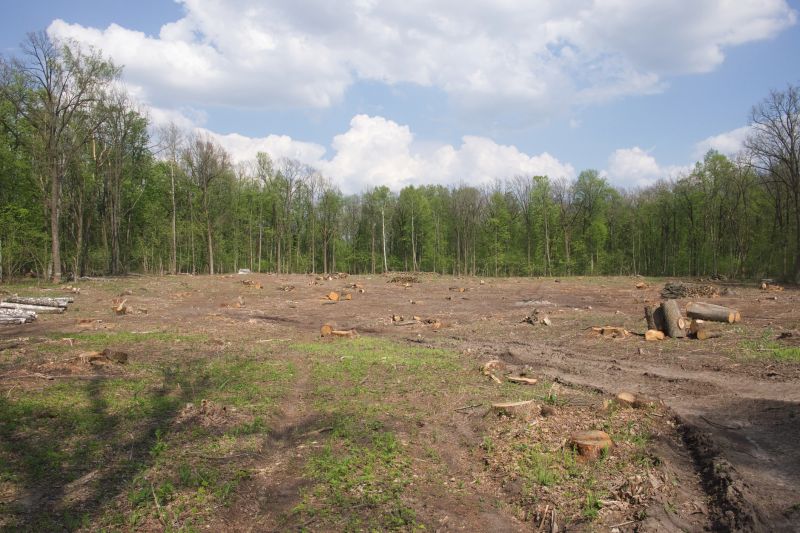
Land Management
Clearing services assist in maintaining property safety and accessibility for utah county property owners.
Acreage Clearing in Utah County, UT
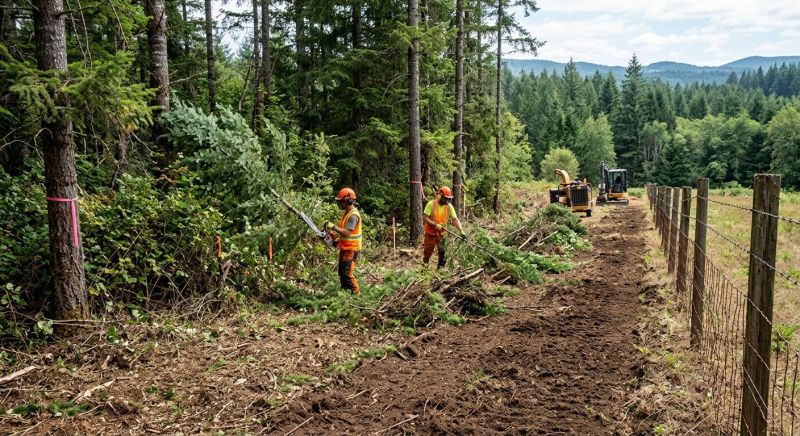
Acreage clearing services involve removing trees, brush, and other vegetation from large parcels of land to prepare them for development, farming, or other uses. This process typically includes tree removal, stump grinding, brush clearing, and debris removal, making the land more accessible and suitable for construction, landscaping, or agricultural projects. Property owners often seek this service when starting new construction, creating open space for recreational areas, or preparing land for planting crops or grazing livestock.
Before requesting acreage clearing, property owners should consider the size and topography of the land, as well as any local regulations or permits that may be required. It is also helpful to determine what vegetation needs to be removed and whether there are any environmental considerations or protected species on the property. Having a clear understanding of the scope of work and the desired end result can help ensure the project proceeds smoothly and meets the specific needs of the landowner.
Many property owners in Utah County, UT look into Acreage Clearing for repairs, replacements, upgrades, and appearance-related improvements.
Common Acreage Clearing Jobs
Land clearing - prepares property for construction, landscaping, or development projects.
Brush removal - eliminates overgrown vegetation to improve safety and aesthetics.
Tree removal - safely removes hazardous or unwanted trees to protect property and people.
Stump grinding - clears remaining tree stumps to create a smooth, usable landscape.
Firebreak clearing - reduces wildfire risk by removing combustible vegetation.
Lot leveling - ensures a stable foundation for construction and proper drainage.
Acreage Clearing Questions
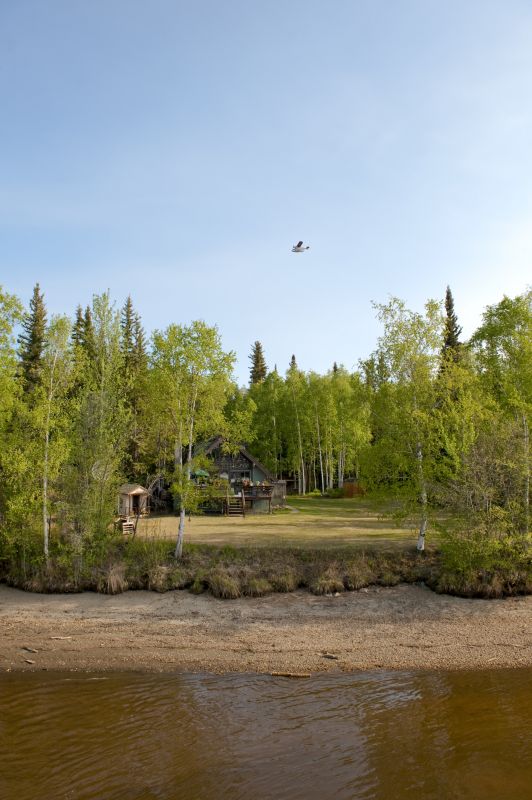
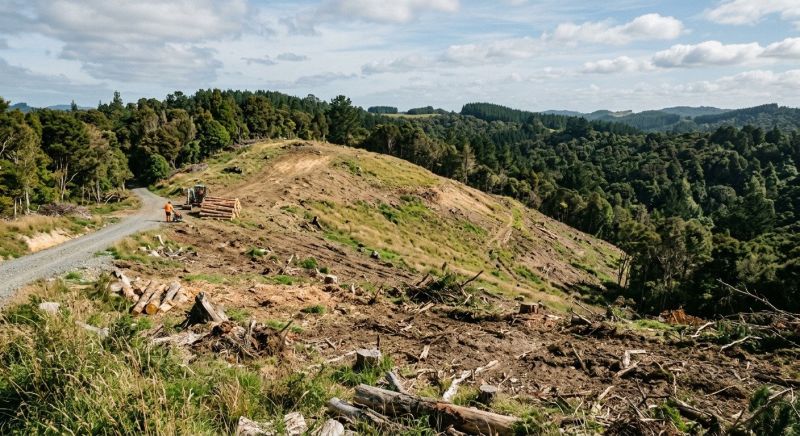
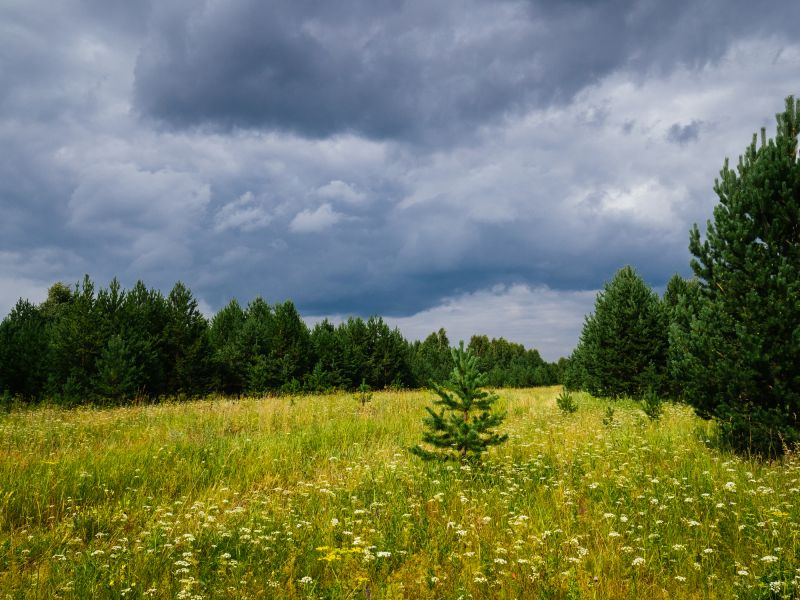
What is acreage clearing? Acreage clearing involves removing trees, brush, and debris to prepare land for development, farming, or landscaping projects.
What types of projects require acreage clearing? Projects such as building construction, property subdivision, orchard development, or large-scale landscaping often need acreage clearing.
How does acreage clearing benefit property owners? Clearing land improves safety, creates open space, and provides a clean area for future use or development.
What should property owners consider before acreage clearing? It's important to evaluate land conditions, identify any protected vegetation, and plan for proper disposal of cleared materials.
Request Acreage Clearing in Utah County, UT
Use the quote form on this page to share the basics of your project and request more information for the type of work you need.